
4-5: Maker Space Garden
4-5: Maker Space Garden
Maker Space Garden Outdoor Learning Station
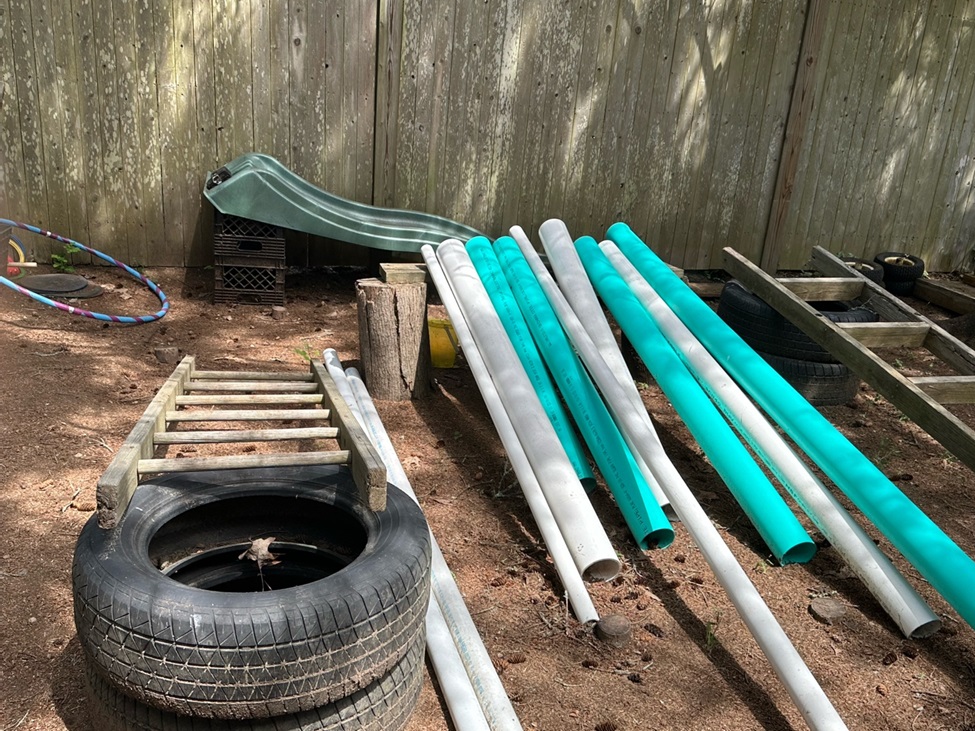
The Maker Space Garden Outdoor Learning Station is an innovative and dynamic area designed to foster creativity, problem-solving, and collaborative play among children. This station is thoughtfully equipped with various engaging components, including pulleys, an old boat, repurposed tires, slides, digging areas, ball runs with PVC pipes, and old ladders. These elements provide an exciting and challenging environment where children can build and navigate their own obstacle courses.
Components and Features
Pulleys: Pulleys enable children to experiment with lifting and moving different objects, enhancing their understanding of basic physics concepts like force and motion.
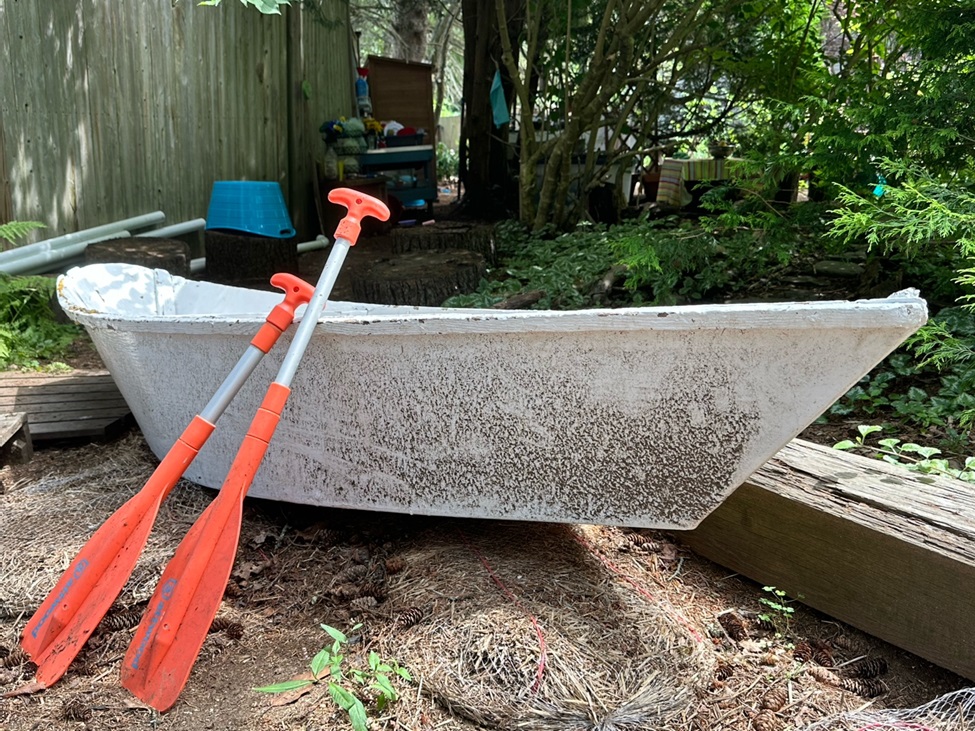
Old Boat: An old boat serves as a versatile play object that can be transformed into a multitude of imaginative scenarios, from pirate adventures to peaceful sailing trips.
Repurposed Tires: Tires can be used for climbing, balancing, or as imaginative obstacles. They promote physical activity and help develop coordination and balance.
Slides: Slides add an element of fun and exhilaration, encouraging children to overcome their fears and promoting active play.
Digging Areas: These areas allow children to explore and engage in tactile play. They can dig, bury, and discover objects, sparking curiosity and a deeper connection with nature.
Ball Runs with PVC Pipes: PVC pipe ball runs are a fantastic way for children to explore cause and effect, engineering, and gravity. By setting up various pathways, they can see how balls travel and experiment with different configurations.
Old Ladders: Ladders can be used for climbing or as part of obstacle courses, promoting physical strength and dexterity.
Outdoor Classrooms Podcast Episode 30: The Adventure of Risky Play with Rusty Keeler
Benefits of the Maker Space Garden
Creativity and Imagination: The varied materials and flexible configurations of the Maker Space Garden encourage children to use their imagination and creativity. They can transform mundane objects into exciting adventure zones.
Collaboration and Social Skills: Designing and navigating obstacle courses require children to work together, fostering teamwork, communication, and collaborative problem-solving.
Physical Development: Climbing, sliding, digging, and manipulating materials help children develop motor skills, coordination, and physical strength.
Problem-Solving and Critical Thinking: Constructing and modifying obstacle courses promote critical thinking and problem-solving skills. Children learn to overcome challenges and think strategically.
Outdoor Classrooms Podcast Episode 97: Inquiry-Based Learning in an Outdoor Classroom with Edwina Cottino
Practical Tips for Integration
Safety First: Ensure all materials are safe and age-appropriate. Regularly check for any wear and tear to maintain a secure environment.
Encouraging Flexibility: Allow children the freedom to rearrange and modify the components. This flexibility keeps the activities fresh and engaging.
Facilitate Collaborative Projects: Organize group activities that require teamwork, such as building a large interconnected obstacle course. This encourages collaboration and communication.
Document and Reflect: Encourage children to document their projects through drawings or photos. Reflecting on their creations enhances their learning experience.
Feedback Form
Please fill out a feedback form. This enables me to tweak this course to better serve you